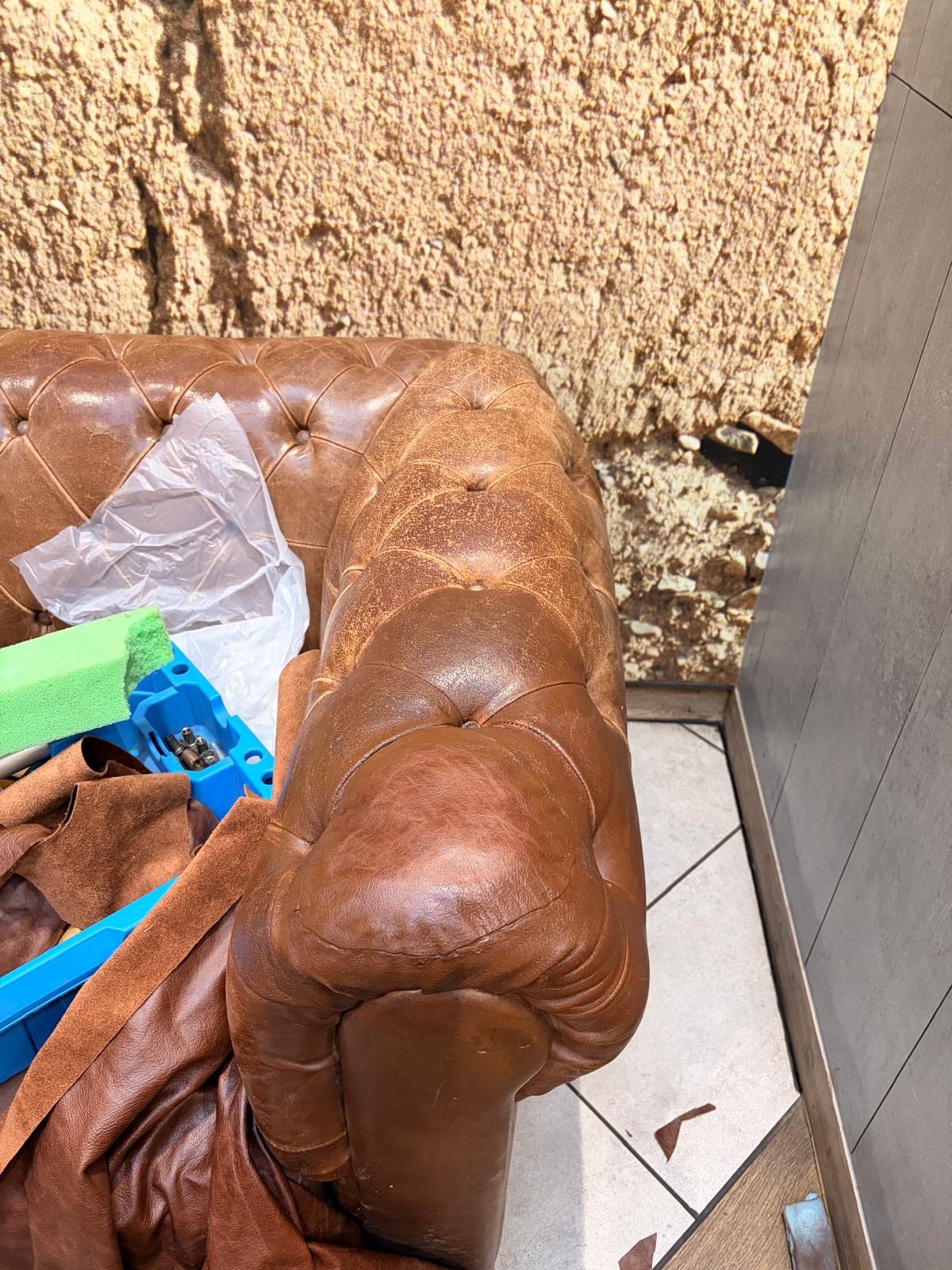
The cleaners, waxes and tools we would use ourselves to keep sofas, chairs and tables looking their best between professional visits, picked by our restorers after years of repairing furniture across Sussex and London.
Updated 26 November 2026
Clean leather with a leather cleaner and feed it with a protection cream every 3 to 6 months. Spot-test any fabric cleaner and check the care code first. Wax solid wood a few times a year and hide light scratches with a coloured wax stick. For re-padding a seat, use upholstery foam, polyester wadding and a type 53 staple gun. Anything torn through, broken or valuable is a job for a restorer.
As an Amazon Associate we earn from qualifying purchases. It costs you nothing extra. The links open Amazon UK.
Jump to: Leather cleaners and conditioners · Fabric cleaners and protectors · Wood polish, wax and scratch repair · Upholstery foam, wadding and tools
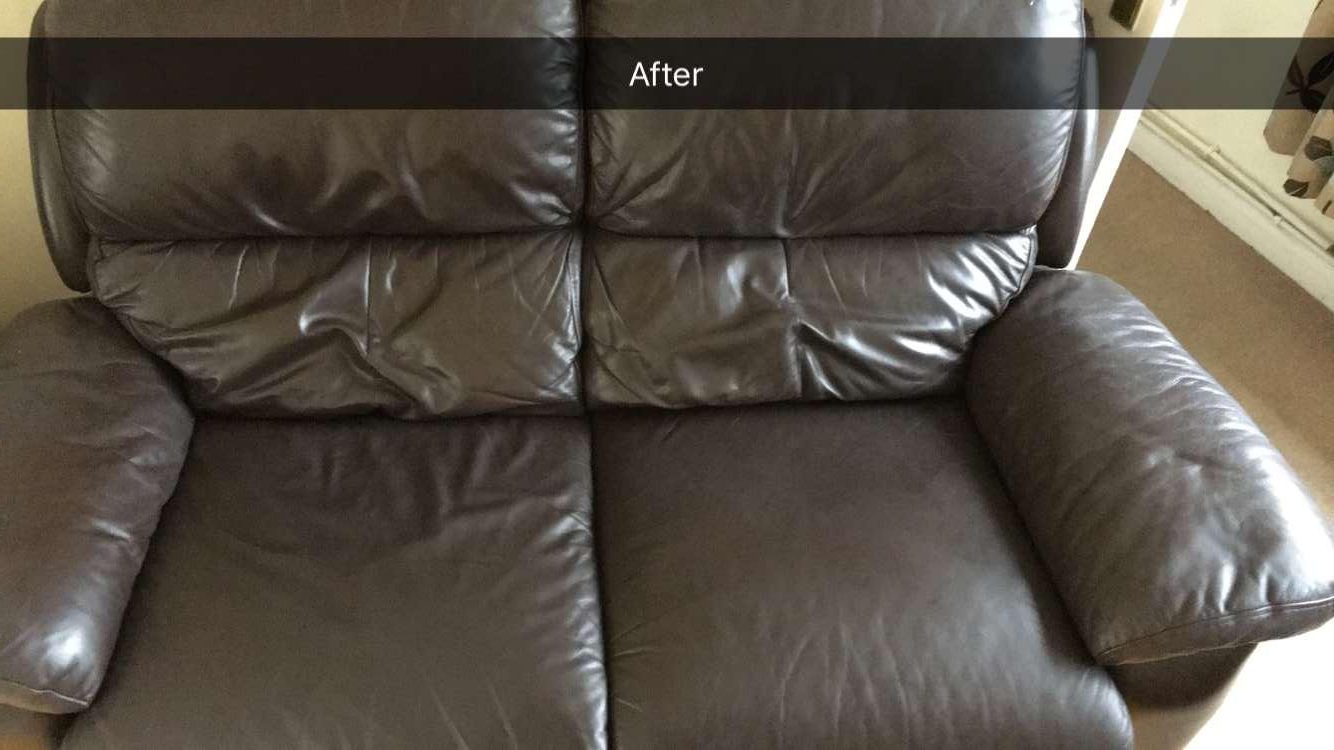
Clean first, then feed. Use a cleaner made for furniture leather, never household sprays or baby wipes, which dry the surface and lift the colour.
Gentle cleaner for everyday dirt and body oils on sofas and chairs.
Best for: aniline-protected and pigmented leather sofas, chairs and car-style seats.
Use after cleaning, every 3 to 6 months, to keep leather supple.
Best for: keeping leather soft and slowing cracking on arms and seat fronts.
Filler and colour for small scuffs, cracks and cat scratches.
Best for: scuffs, small cracks and cat scratches on coloured leather.
Restores faded colour on worn arms and seat edges.
Best for: faded, worn patches where the colour has rubbed off.
For small splits in vinyl seats. Large tears need a new panel or a recover.
Best for: small splits and burns in vinyl dining or bar seats.
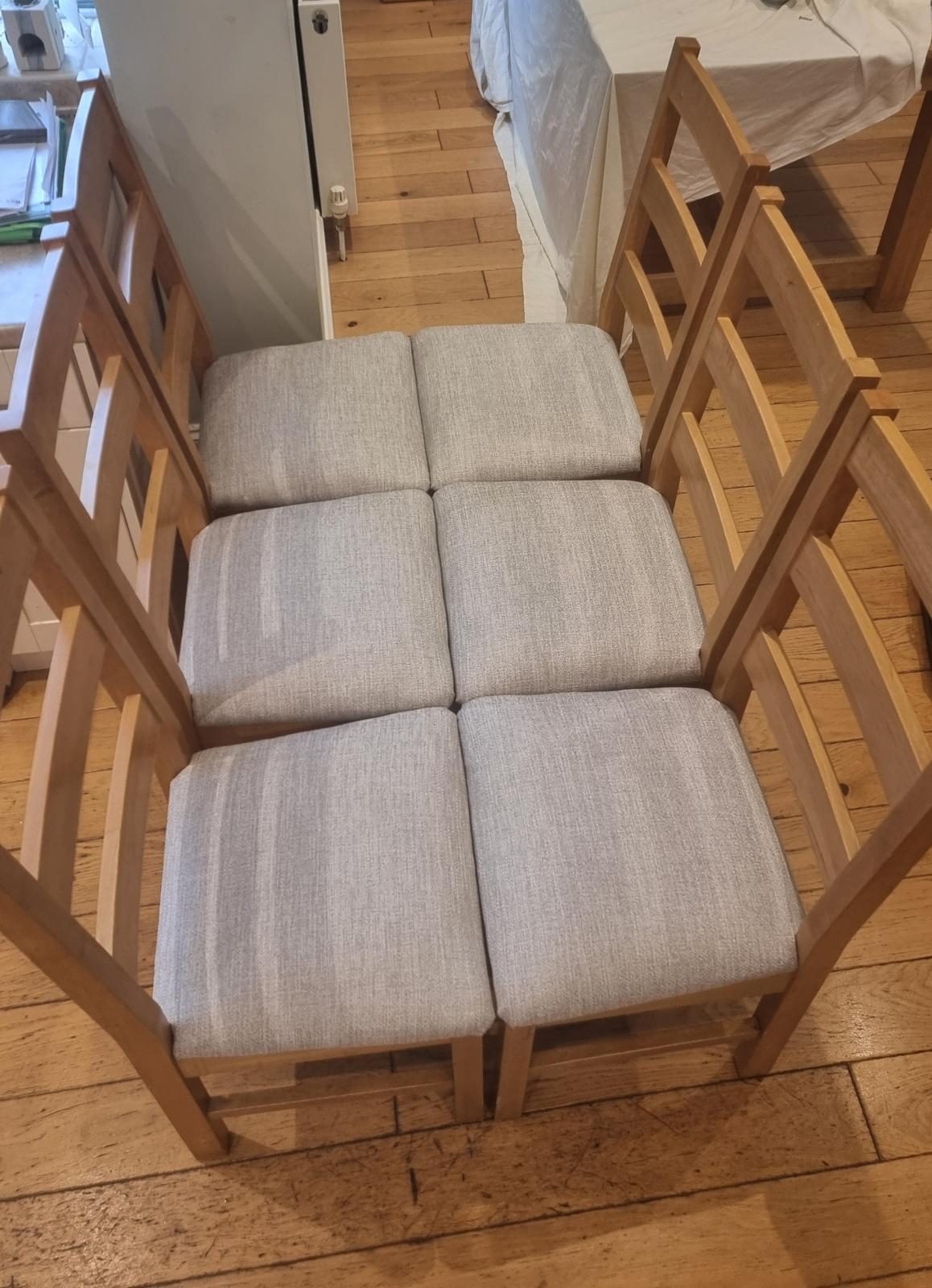
Always spot-test on a hidden area first, and check the care code on the label (W, S, W/S or X) before using anything wet.
For general marks on fabric sofas and dining chairs.
Best for: general grime on W-coded fabric sofas and dining chairs.
For fresh spills: blot, never rub, then treat.
Best for: fresh food, drink and pet stains on fabric.
Helps spills bead up on new or freshly cleaned fabric.
Best for: new or freshly cleaned light-coloured fabric.
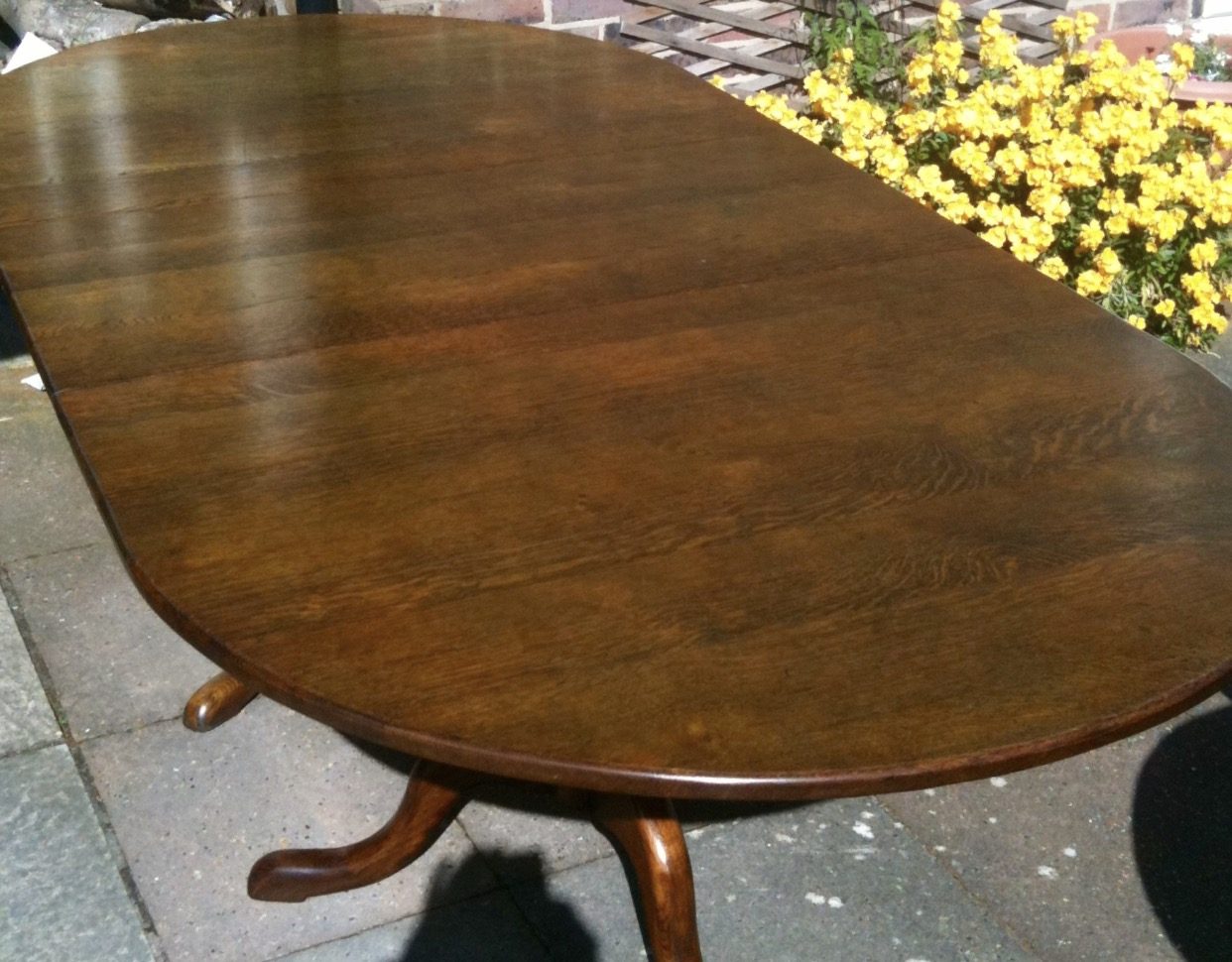
Wax and polish build up a protective layer. For light scratches, a coloured wax stick usually hides the mark; deep gouges and water damage need re-polishing.
Paste wax for antique and solid wood furniture.
Best for: antique, oak, mahogany and other solid wood furniture.
Tinted wax that also masks light wear.
Best for: darker woods and pieces with light wear marks.
For applying wax and cutting back old wax build-up.
Best for: applying wax evenly and removing old wax build-up.
Wax sticks and markers in wood tones for small scratches.
Best for: light scratches on tables, doors and chair legs.
Fills small chips and nail holes in wooden furniture.
Best for: small chips, dents and old screw holes.
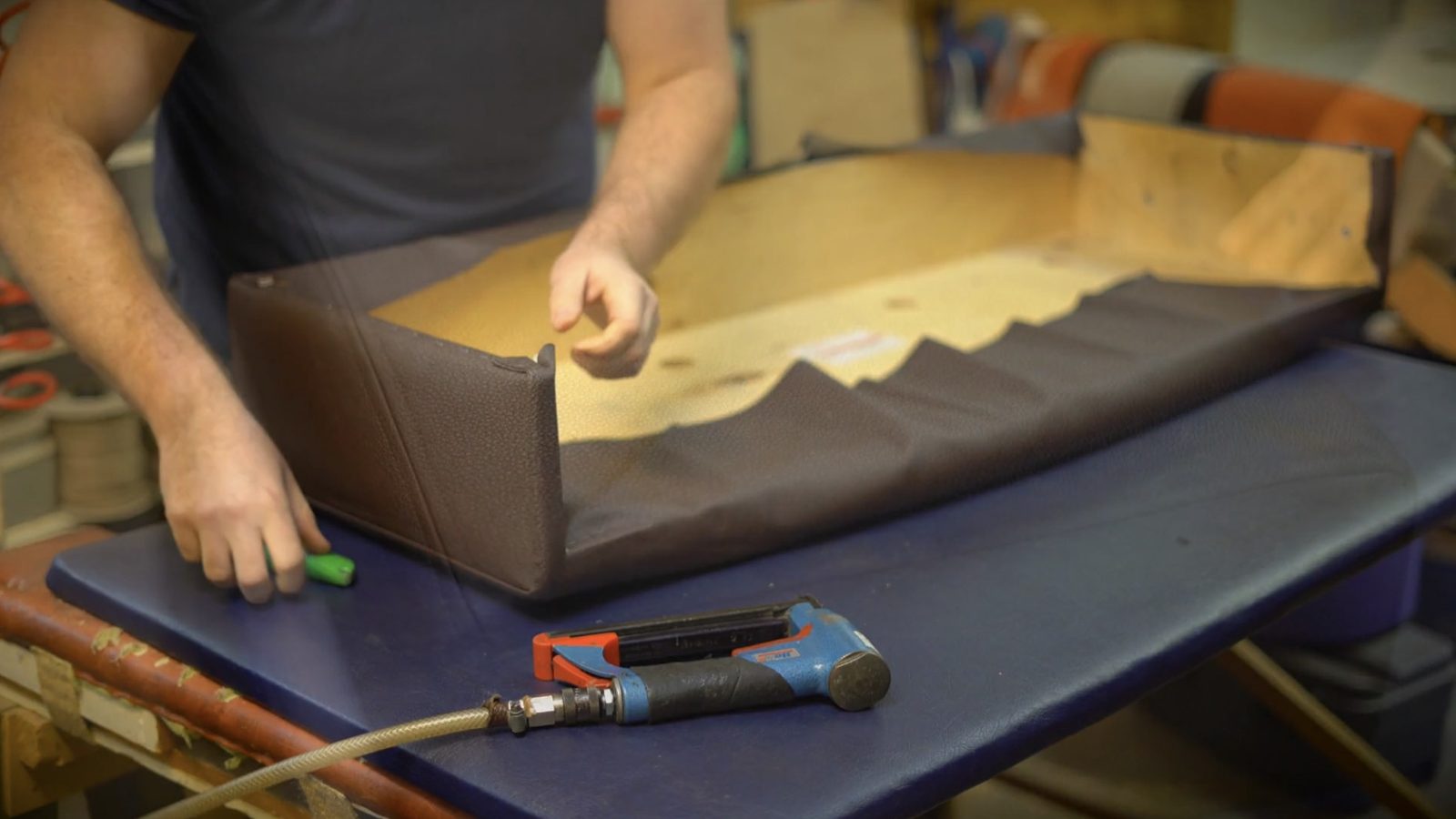
For re-padding a seat yourself. If the frame, springs or webbing have gone, that is a job for us.
Sheet foam to cut to size for pads and cushions.
Best for: replacing flat or crumbling foam in pads and cushions.
Firmer foam for seats that take daily use.
Best for: dining and kitchen seats that get sat on every day.
Wrap over foam to soften edges and fill out the cover.
Best for: softening foam edges and filling out a cover.
Bonds foam to boards and wadding to foam.
Best for: fixing foam to a seat board so it does not slide.
The gun we would pick for fitting covers at home.
Best for: fitting seat covers and re-covering drop-in dining seats at home.
8mm for thin pads, 10mm for thicker ones.
Best for: the Tacwise gun above, and most fabric and vinyl jobs.
For lifting the old cover without damaging the board.
Best for: lifting old staples without splitting the seat board.
A leather cleaner made for furniture, such as Furniture Clinic leather cleaner, followed by a protection cream. Avoid household sprays, polish and baby wipes: they dry leather out and can lift the colour. Test on a hidden area first.
Clean it, let it dry fully, then apply a fabric protector spray such as Scotchgard. Check the care code on the label first: an X code means vacuum only, no liquids.
Light scratches usually disappear with a coloured wax stick or a tinted wax like Briwax. Deep gouges, white water rings and lifted veneer need professional repair or re-polishing.
When leather is torn or cracked through, fabric is ripped, springs or webbing have gone, or a valuable or antique piece is involved. Send us photos and we will tell you whether it is a DIY job.
Yes. As an Amazon Associate we earn from qualifying purchases, at no extra cost to you. We only list products of the kind we use or would recommend.
Not sure what you need? Send us a photo and we will tell you whether it is a DIY fix or a job for us. See also made-to-measure seat covers and foam, leather repair, upholstery repair and French polishing.
About SC Restoration: furniture repair and restoration specialists in Newhaven, East Sussex, working across Sussex, London and the South East for homes, restaurants and retailers.